Why LinkedIn Content Framework Is a Lead Magnet – Not Just a Branding Tool
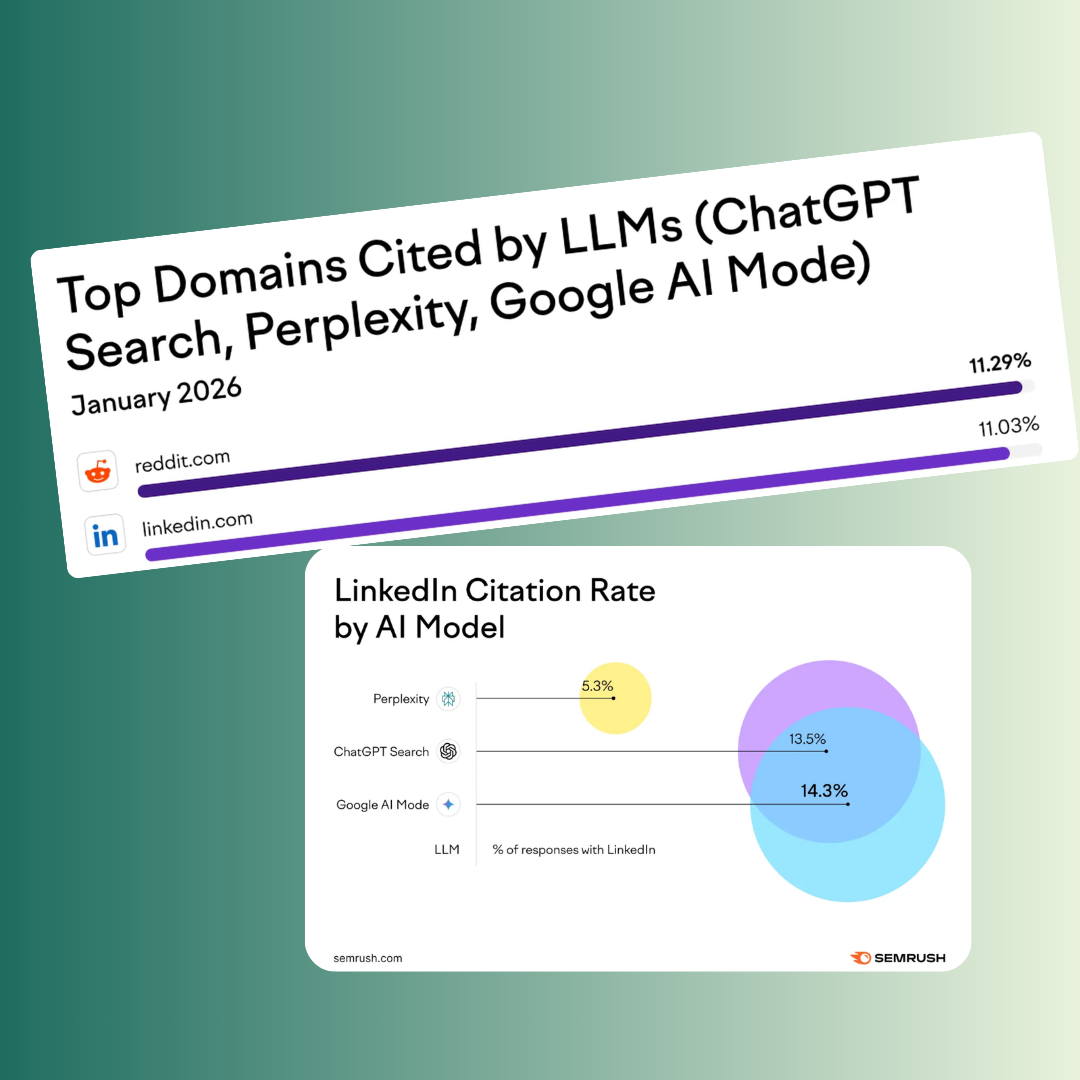
The LinkedIn content framework can help you turn your social media into a solid pipeline. If you’ve spent any time on LinkedIn lately, you already know it’s become the go-to place for B2B and B2C lead generation. As a result, hundreds of millions of people use the platform every day to research solutions, connect with experts, and make real buying decisions.
Because of this shift, content that adds value can attract inbound leads on autopilot – without constant outreach. In fact, businesses that use a structured approach consistently see more enquiries and conversations than they do on other social platforms.
However, your content has to be strategic – sporadic posting simply won’t cut it.
That’s exactly what I’m going to walk you through below.
What Is a LinkedIn Content Framework for Inbound Leads?
It simply means publishing strategic content that makes your ideal client want to work with you.
In other words, it’s about creating posts that attract the right audience, build authority, and turn engagement into real business enquiries.
 Build genuine trust with your ideal clients Establish authority in the industry Stay consistent and relevant
The 5 Pillars of LinkedIn Content Framework That Drive Inbound Leads
Here’s a framework built around the most effective content pillars professionals are using right now to grow their pipeline.
| Content Type | Purpose | Frequency |
|---|---|---|
| Problem Expertise | Show you understand your audience’s challenges | 30% |
| Solution & Methodology | Share actionable frameworks and how-tos | 25% |
| Social Proof & Results | Demonstrate real success stories or case studies | 20% |
| Industry Perspective | Position yourself as a thought leader | 15% |
| Personal Authority | Build trust and connection through storytelling | 10% |
This mix makes sure your LinkedIn feed isn’t just broadcasting the same content over and over again. As a result, your content starts working strategically to generate leads instead of just filling space.
It’s working for you, strategically built to generate leads. It also makes creating content much easier.
Optimise Your Profile for Easier Lead Conversion
Before you focus on content creation, optimising your profile is absolutely crucial for success on the platform. According to LinkedIn, users with optimised profiles, receive 21 times more profile views, and 36x more messages than unoptimised ones.
1. Your LinkedIn Headline
Your headline is your first impression – so it needs to immediately tell people exactly what you do.
bad headline: “Mortgage Broker at ABC Mortgages”
better headline: “I help first-time buyers secure their mortgage without the stress | Mortgage Broker at ABC Mortgages | Nottingham”
Use this formula:
I help (ideal client) achieve (dream result) without (common pain point)
Change “achieve” for something better suited for your individual context.
2. About You Section
Your about you section should follow this framework:
Hook: Start with a common pain point of your target audience Empathy: Show your understanding of the challenge Solution: Focus on how you solve the pain point Proof: Share relevant client results CTA: Tell them exactly what to do next
How to Write Posts That Actually Convert
According to LinkedIn, accounts that post at least 2 times a week, see increased engagement. But what do you post?
1. Start With a Strong Hook
LinkedIn readers scroll fast – which means you’ve got a few seconds to grab their attention.
That’s why your post should open with something that stops them in their tracks:
A bold statement A surprising statistic A real problem your audience is dealing with
This immediately stops the scroll and invites engagement.
However, for it to work, your hook must summarise the value of the post clearly – otherwise, it will be ignored. Before publishing, ask yourself: what’s in it for my ideal client?
2. Deliver Value Before You Ask
Great LinkedIn content isn’t a sales pitch.
If people sense you’re only there to generate leads, they’ll disengage instantly.
Instead, focus on delivering value first.
A client case Steps to solve their pain points Mistakes they should be avoiding
Just because you share valuable information doesn’t mean clients suddenly don’t need you.
In reality, they still need your expertise applied to their specific situation.
The aim of providing value is not to give everything away, but to make people trust your advice, and show them that you know what you’re talking about.
As a result, you’ll become the go-to expert people think of when they need what you offer.
3. Use the Hook – Story – CTA for LinkedIn Content Framework
Simple, repeatable, and it works every time:
Hook – Grab attention Story/Insight – Share key value or experience CTA – Direct people to the next step
CTA Examples for Mortgage Brokers:
Send a DM to book a chat with me Comment “Guide” for our First Time Buyer Guide
Content Format Tips That Boost Visibility
LinkedIn’s algorithm rewards formats that keep people engaged on the platform. It’s not a one-size-fits-all, and it will vary from business to business, but a good benchmark for best performing formats heading into 2026 is:
Multi-image (carousel) posts Native documents & PDFs Short videos (<30 sec) Text posts with clear line breaks
Posting Cadence & Engagement Strategy
When it comes to LinkedIn growth, consistency beats perfection every single time:
3-5 posts per week is the sweet spot for steady growth and visibility. Pair your content with daily engagement on others’ posts. Thoughtful comments and replies put you in front of new audiences you’d never reach otherwise. Use LinkedIn analytics to track what’s working, and double down on posts that drive connections, profile views, or DMs.
Bonus: Add Inbound Lead Magnets
Want to turn readers into leads faster? Pair your content with something worth downloading, such as:
Templates or checklists Guides or e-books
However, there’s one important tip: share lead magnet links in the comments or DMs — not the main post body. LinkedIn deprioritises posts with external links, so keeping them out of the post itself protects your reach.
Conclusion
Generating inbound leads on LinkedIn isn’t about posting and hoping for the best.
Instead, it requires strategic brand positioning that establishes you as an authority in your industry.
A framework built on problem expertise, actionable solutions, social proof, and personal authority, paired with consistent posting and genuine engagement, will help you stand out and convert leads more easily.
Would you like me to take care of your social media presence and do it all for you? Contact me via the form below and let’s position you as an obvious choice